Walk to the Wakhan Corridor
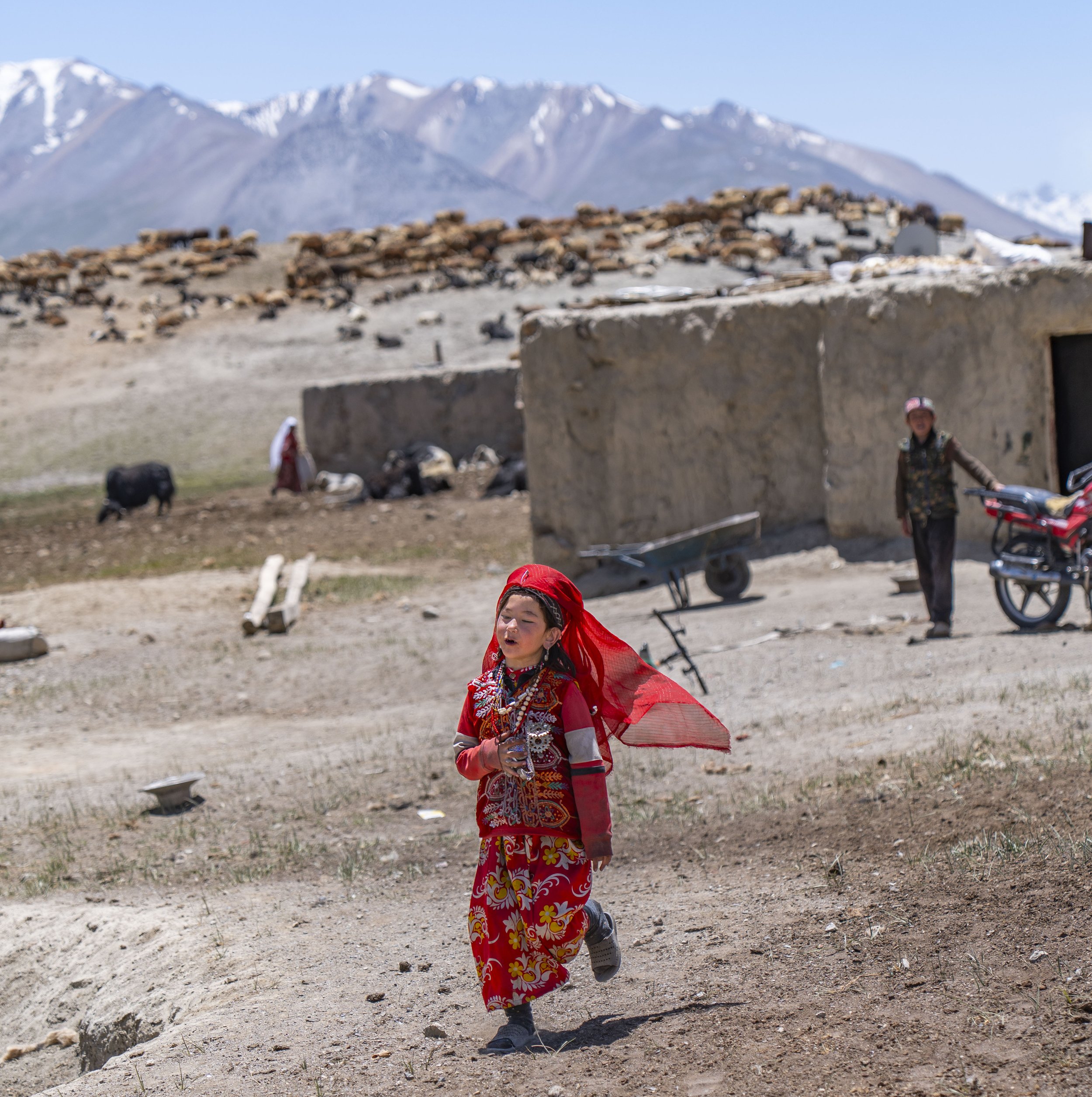
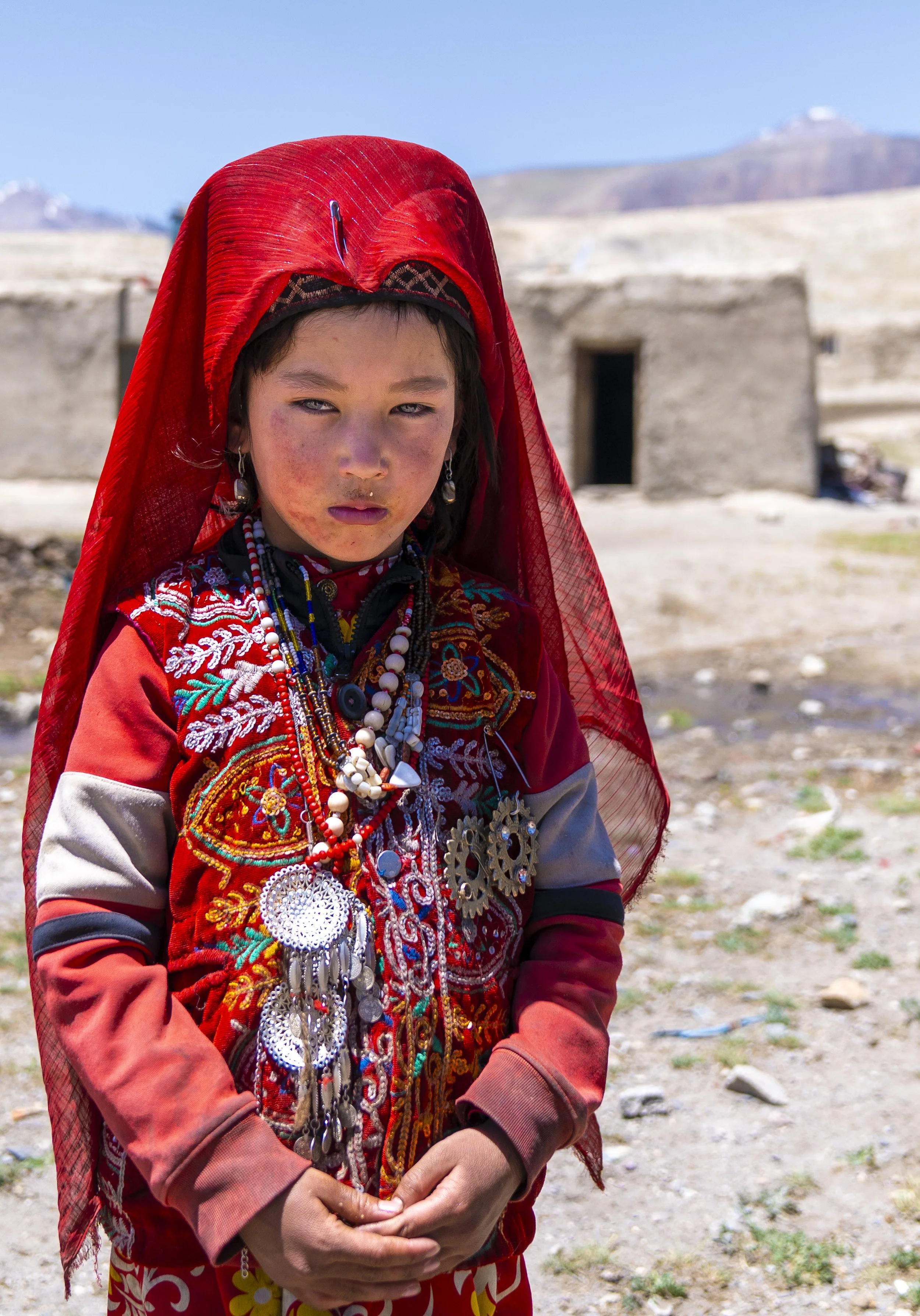
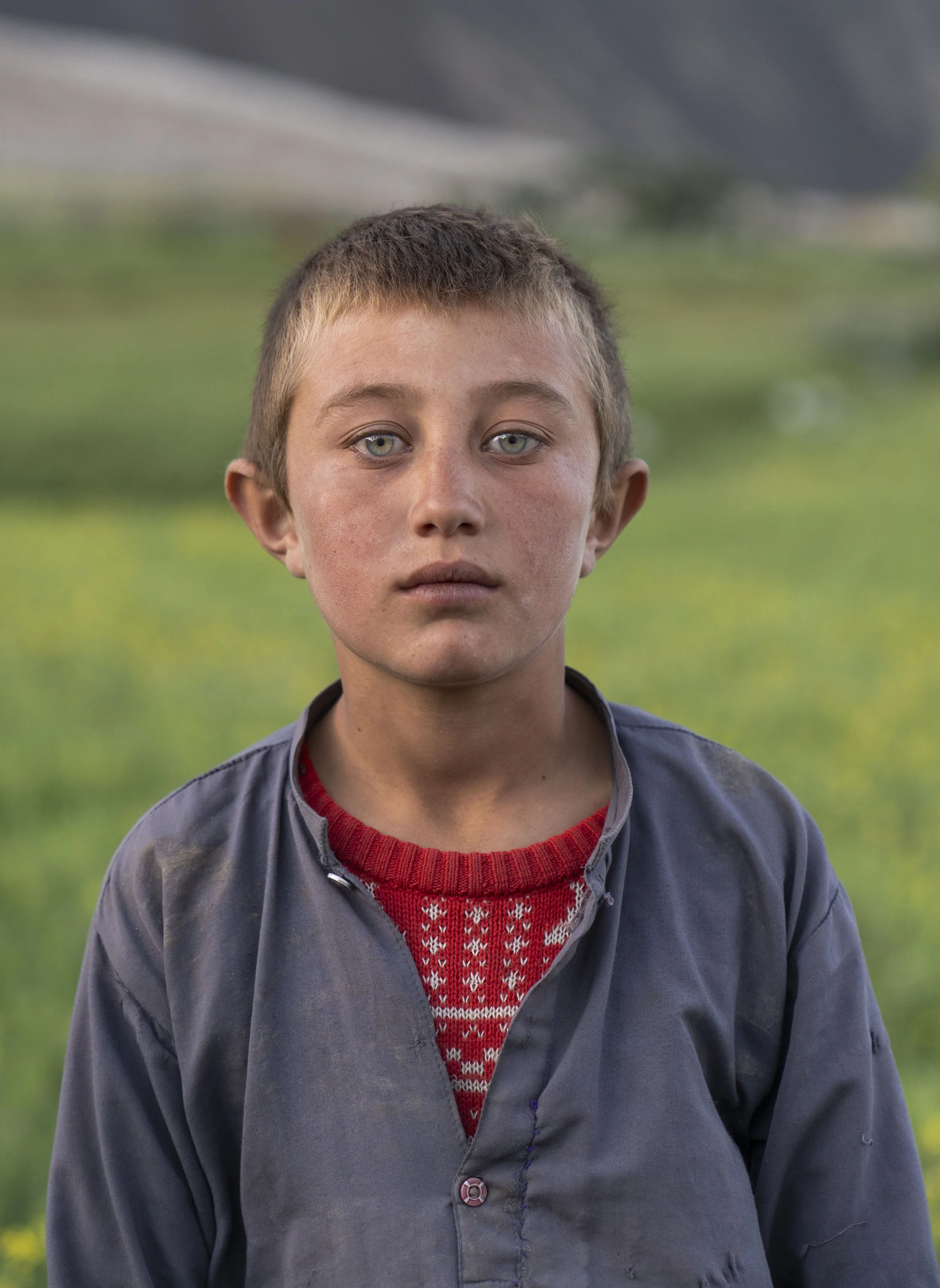
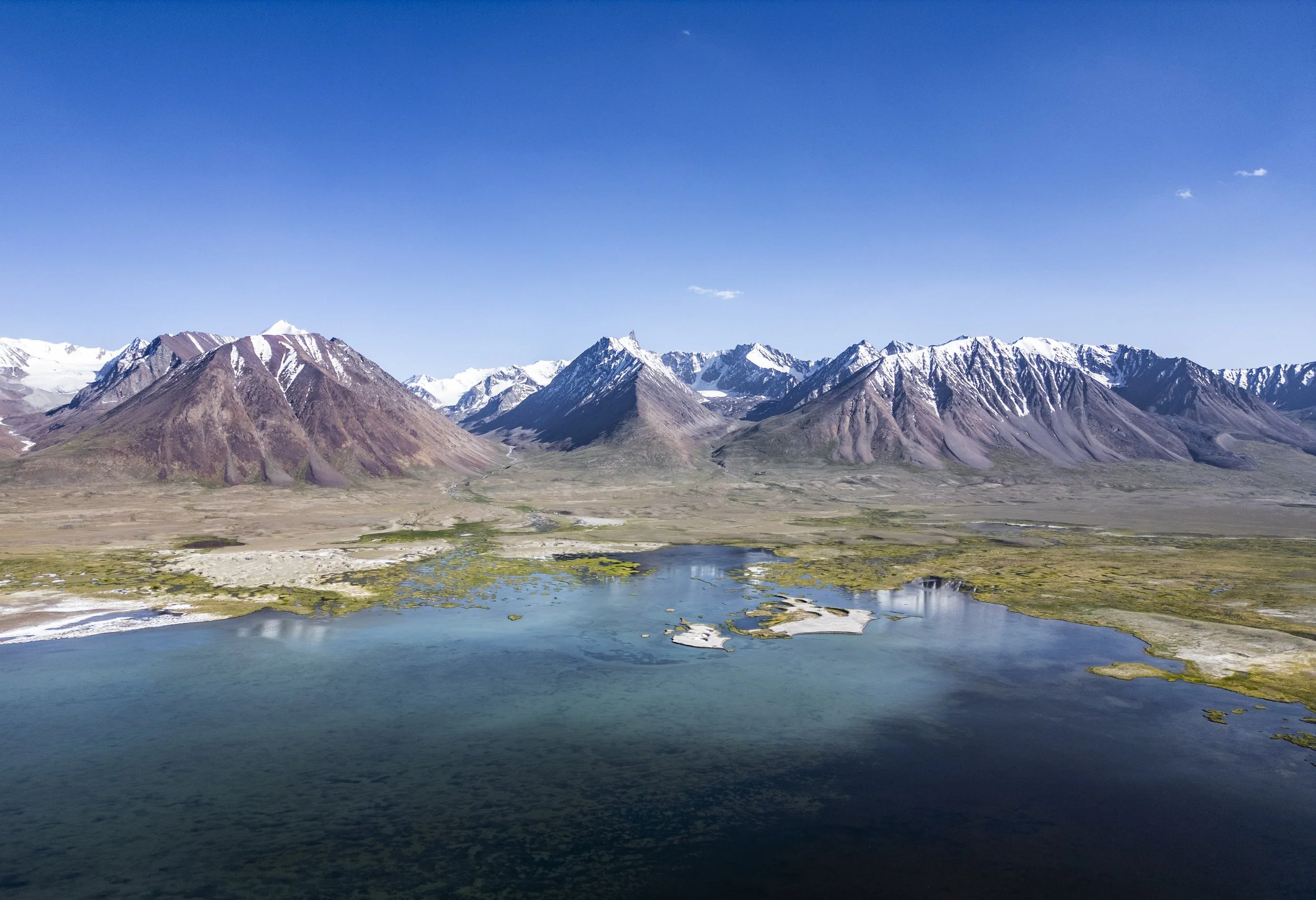
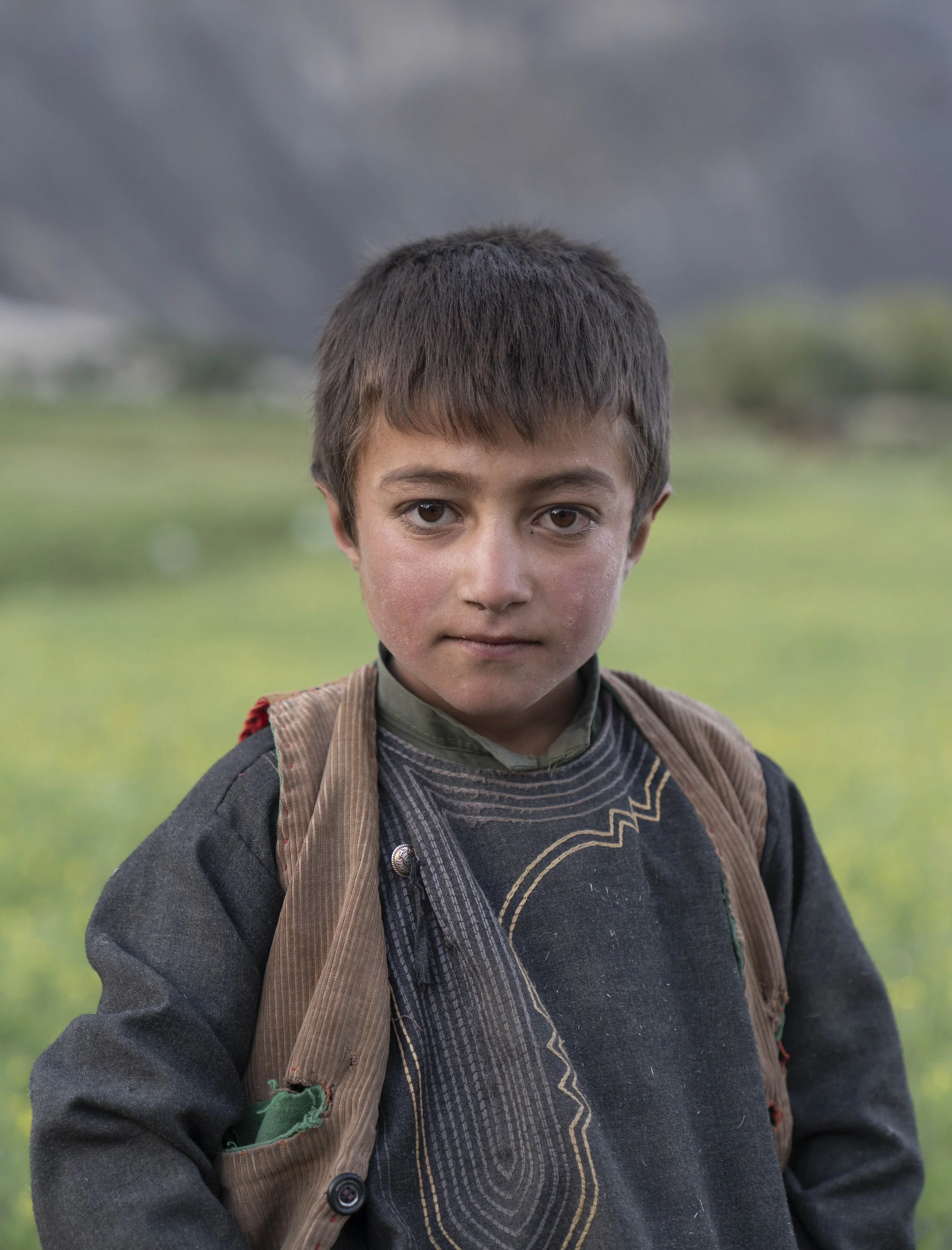
This journey had been on my mind for several months, long before my first reconnaissance in Afghanistan. My main objective was to reach the heart of the Wakhan Corridor, near Lake Chaqmaqtin, to meet a Kyrgyz community living in the final stretch of the valley. These inhabitants are distinguished by the bright red clothing worn by the women, a fascinating cultural symbol that has been little documented.
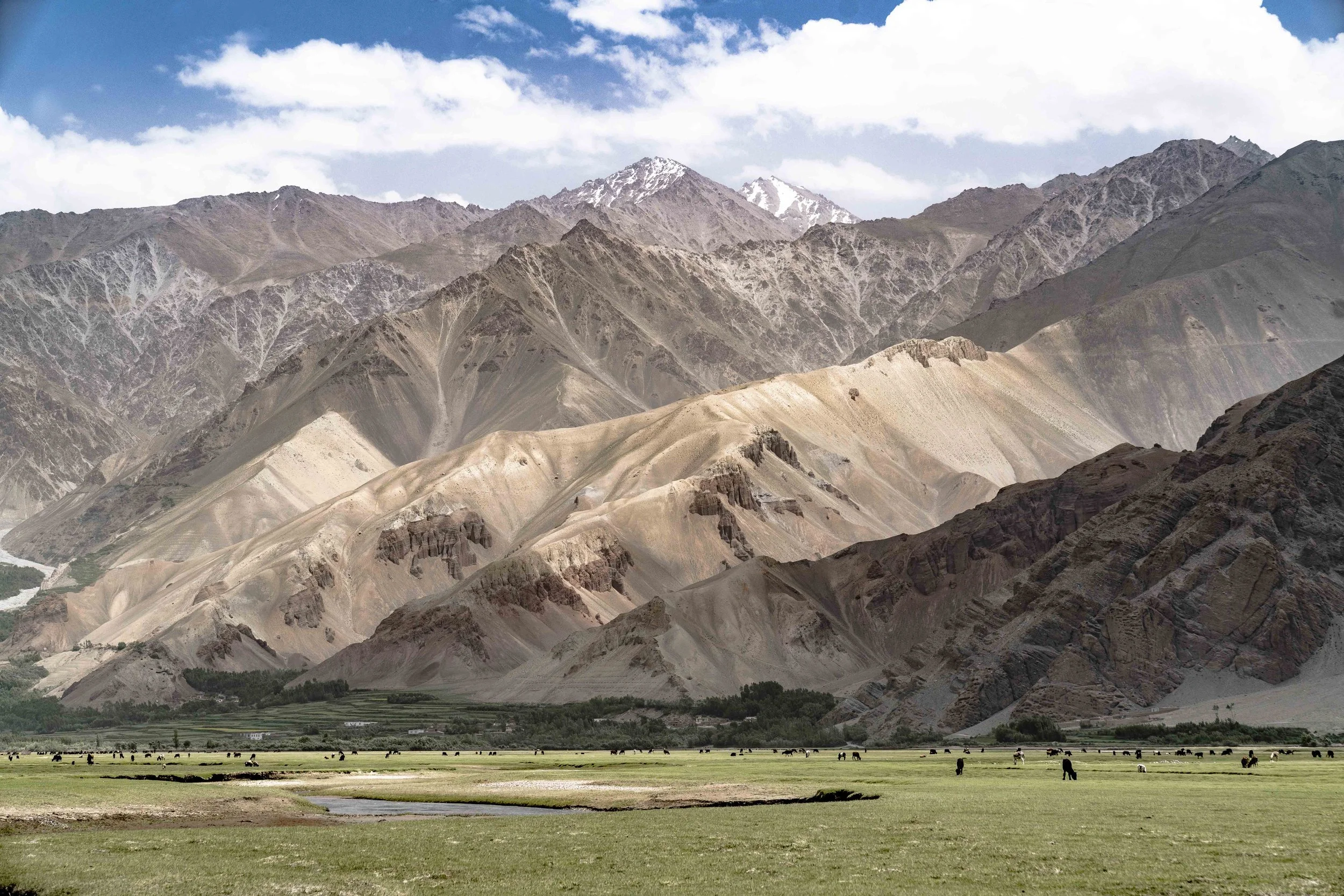
Reaching this remote area is no easy task. The terrain is rugged, the roads are difficult, and a sturdy vehicle such as a 4x4 is essential for the final stretches. From Badakhshan, the road begins to deteriorate, turning into tracks that wind between valleys and riverbeds. The landscapes are vast and open, often swept by a fresh wind. Each passage in the 4x4 raises a cloud of dust, sometimes giving the journey an almost dreamlike atmosphere.
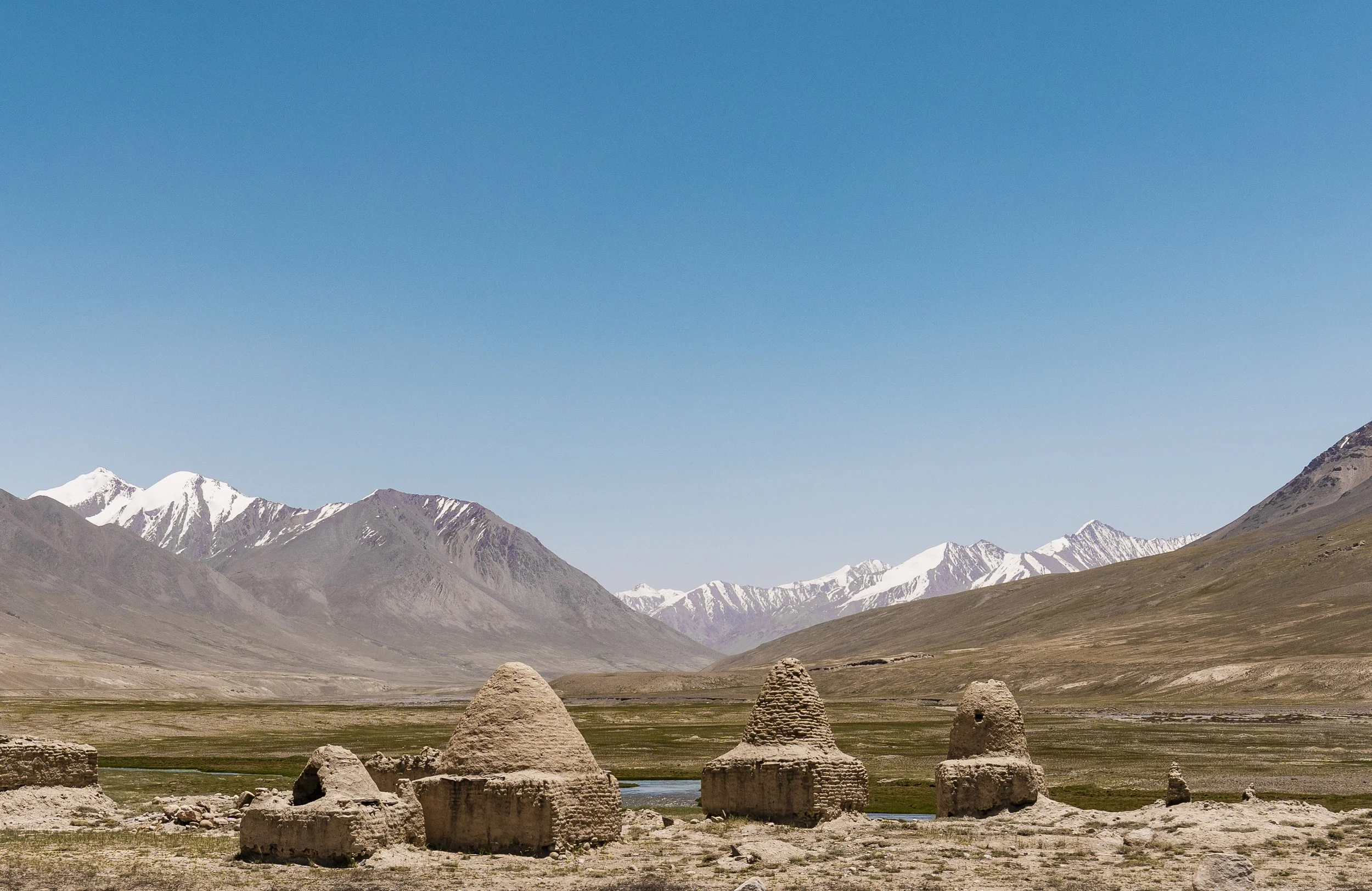
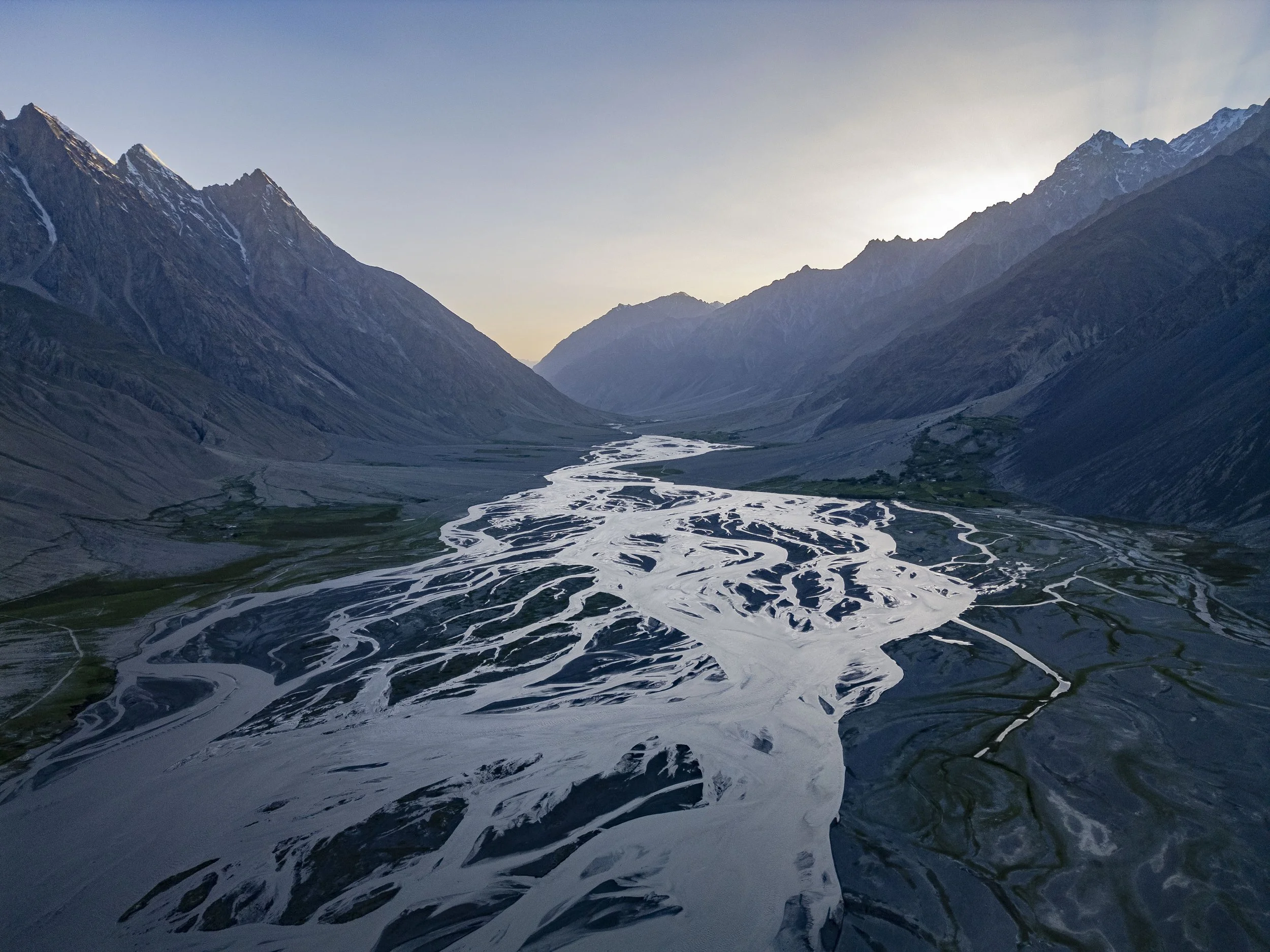
I first arrived in Kabul, where I spent a day or two finalizing preparations for the trip. From the capital, we headed toward the province of Badakhshan, as the road to the Wakhan Corridor offers few alternatives. From there, we traveled east toward Fayzabad, the last major town before the corridor. Beyond Ishkashim, villages become sparse and the landscape opens up into the Wakhan Corridor, a wide valley flanked by two immense mountain ranges: Pakistan on one side, Tajikistan on the other, and China in the distance.
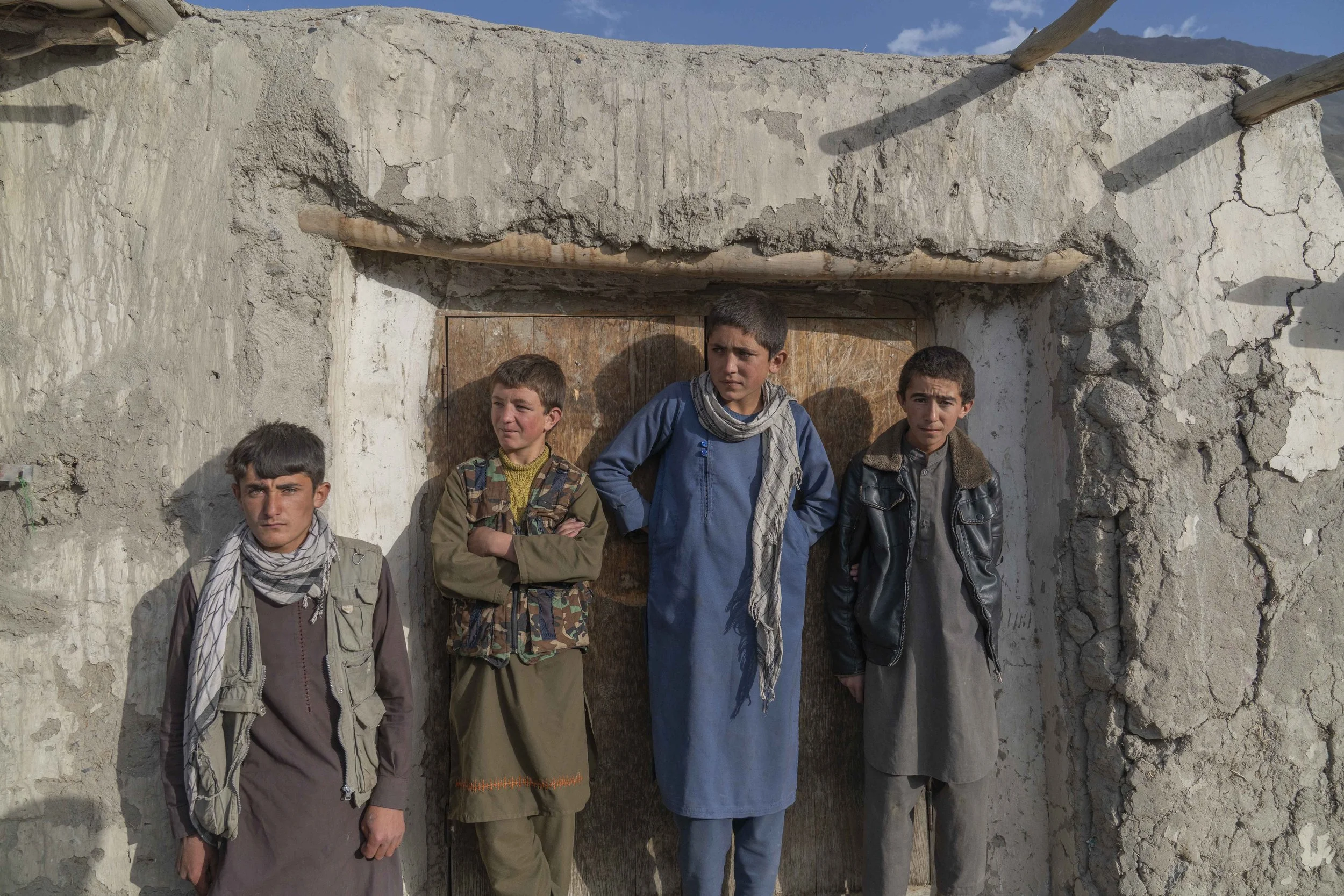
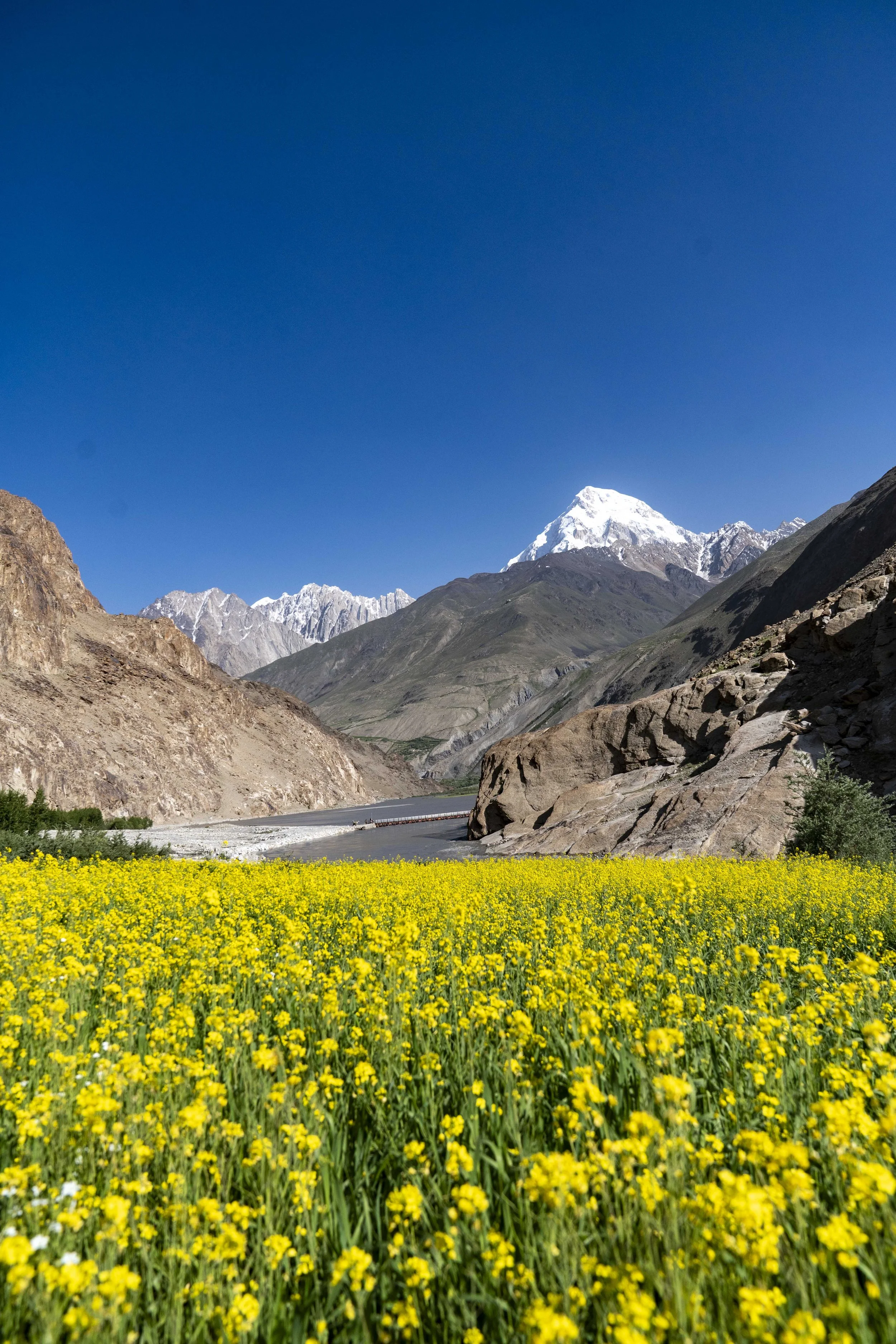
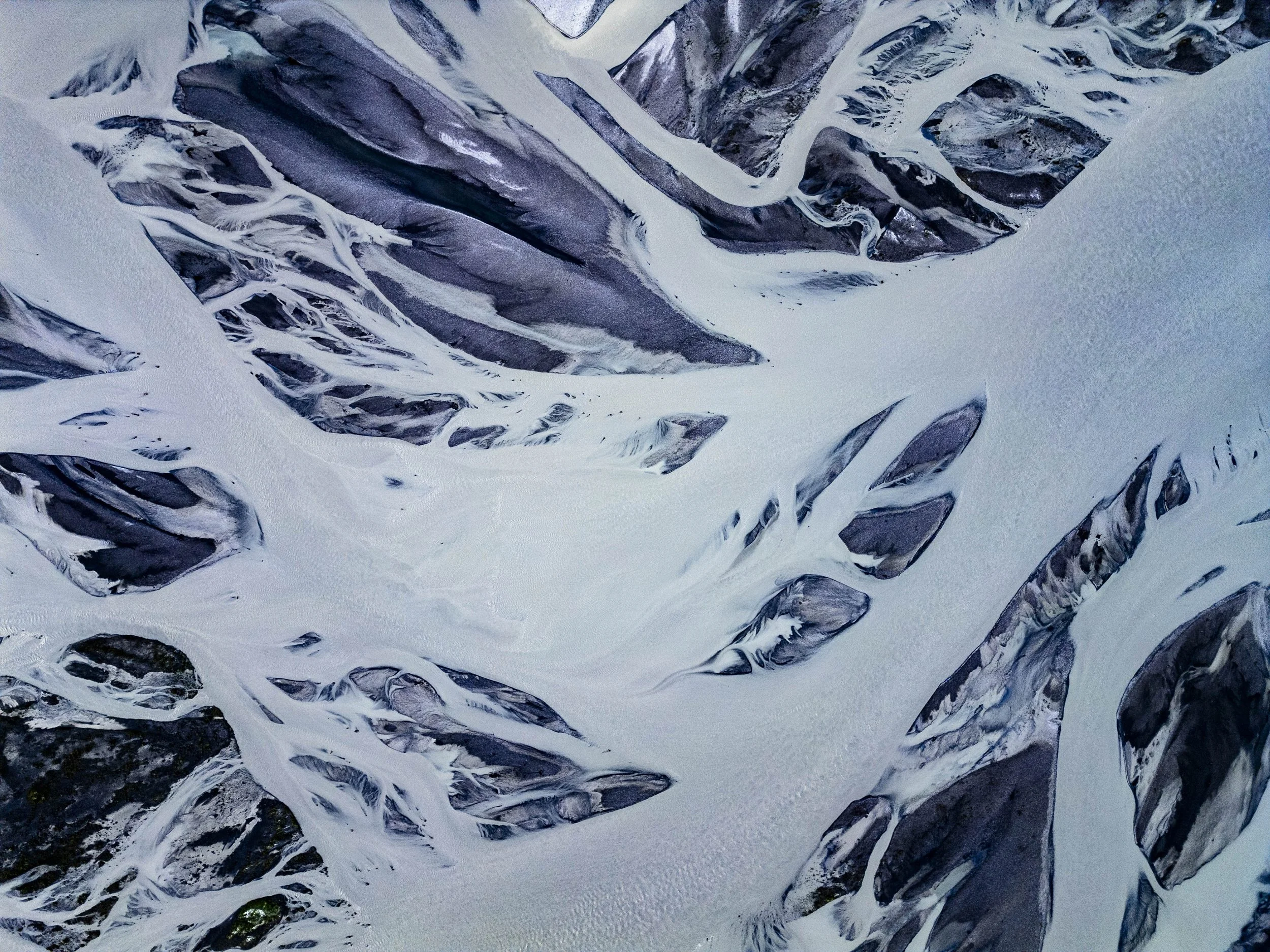
The corridor is crossed by a wide river fed by snowmelt from the high mountains, flowing peacefully through the center of the valley. The area is surprisingly green for Afghanistan, nourished by numerous tributaries and streams. In June, the days are hot, but the nights are cool, the air quickly cooling once the sun disappears behind the peaks. Villages line the corridor, each offering a glimpse into daily life in this very rural region. Inhabitants work in the fields, move along narrow paths, and gather in communal spaces, creating a quiet rhythm that contrasts with the difficulty of reaching these places.
Traveling through the corridor also requires passing numerous checkpoints. Given the current political situation, administrative procedures are frequent and unavoidable, and much time is spent waiting or negotiating. Despite these challenges, the journey allowed me to meet many locals and observe the interaction between human life and a spectacular landscape.
I did, however, encounter some limits. The Kyrgyz villages were difficult to reach and document, and I was unable to meet the women or fully interact with them. This highlights the need for a future return to further explore these communities and document their traditions, which remain largely unknown.
Evenings were particularly memorable. The night sky is incredibly clear, offering a spectacular view of the Milky Way, as I had rarely seen before. These moments of silence and contemplation will remain etched in my memory.
The isolation of the corridor, the sound of the river, the clouds of dust raised by the 4x4, the verdant expanses, and the starry nights create an environment that is both beautiful and fragile. Each village, each encounter, each gust of wind adds a thread to the rich tapestry of this remote valley, offering an unforgettable human and sensory experience.