Murghab, the town in the Pamir
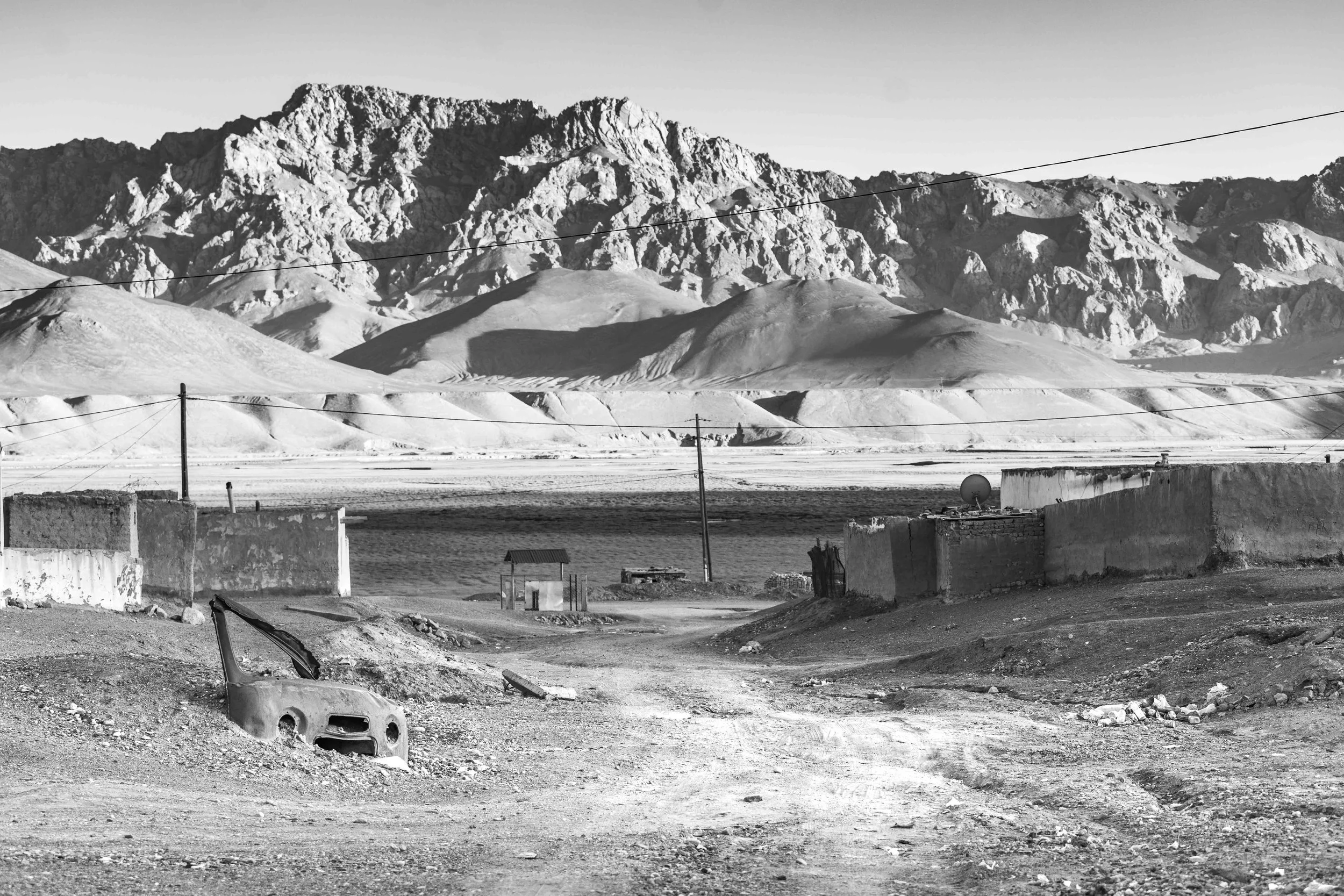
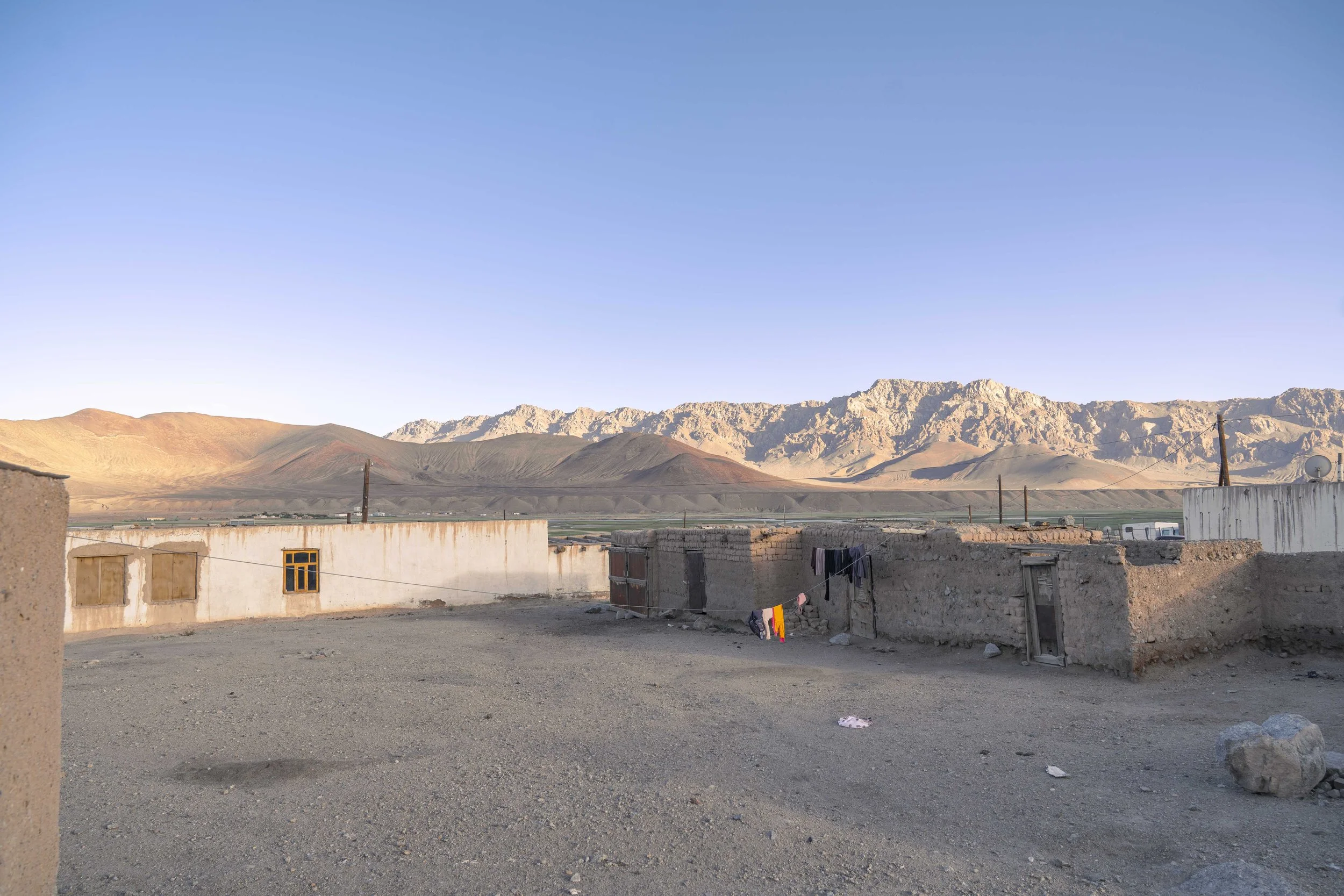
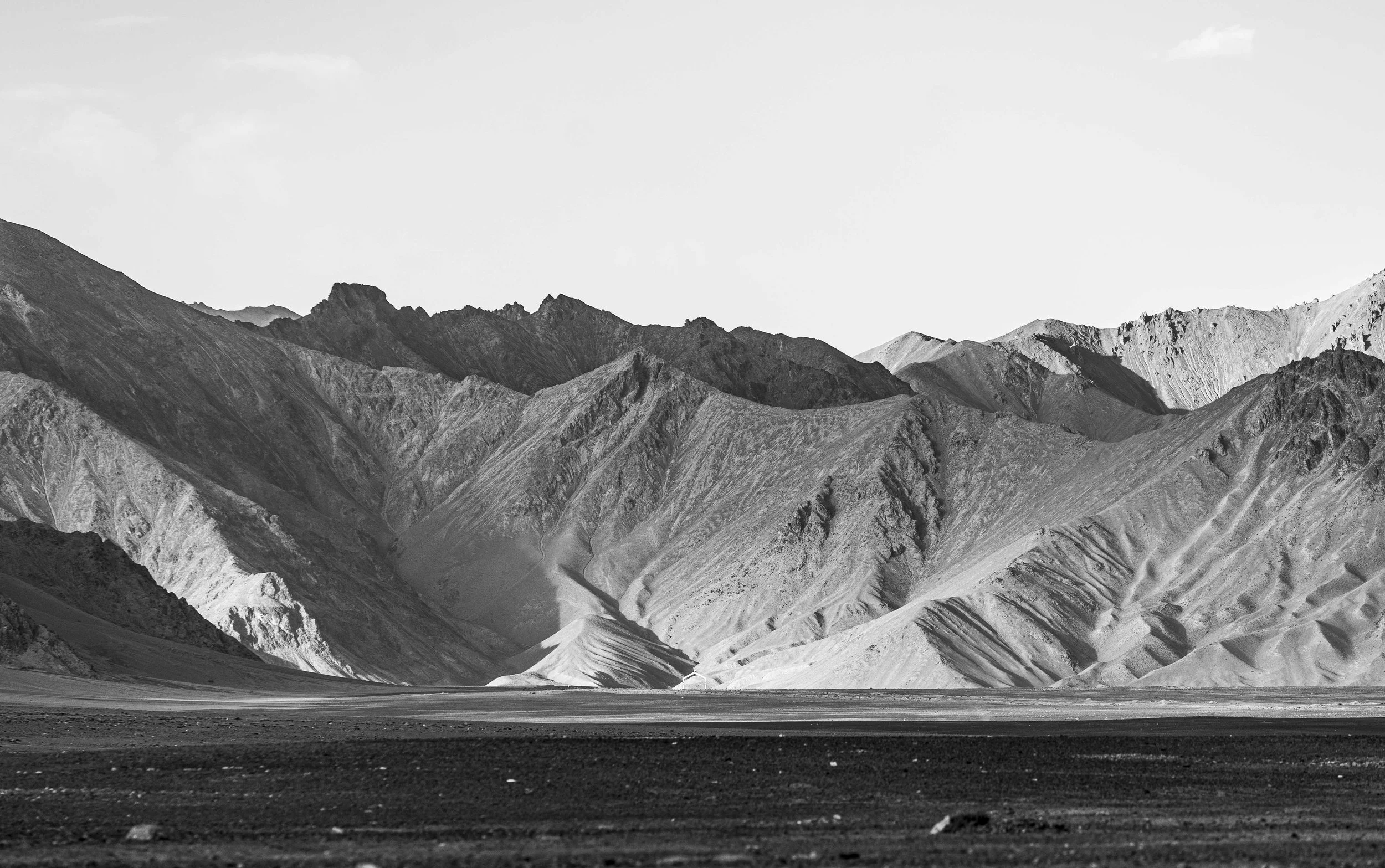
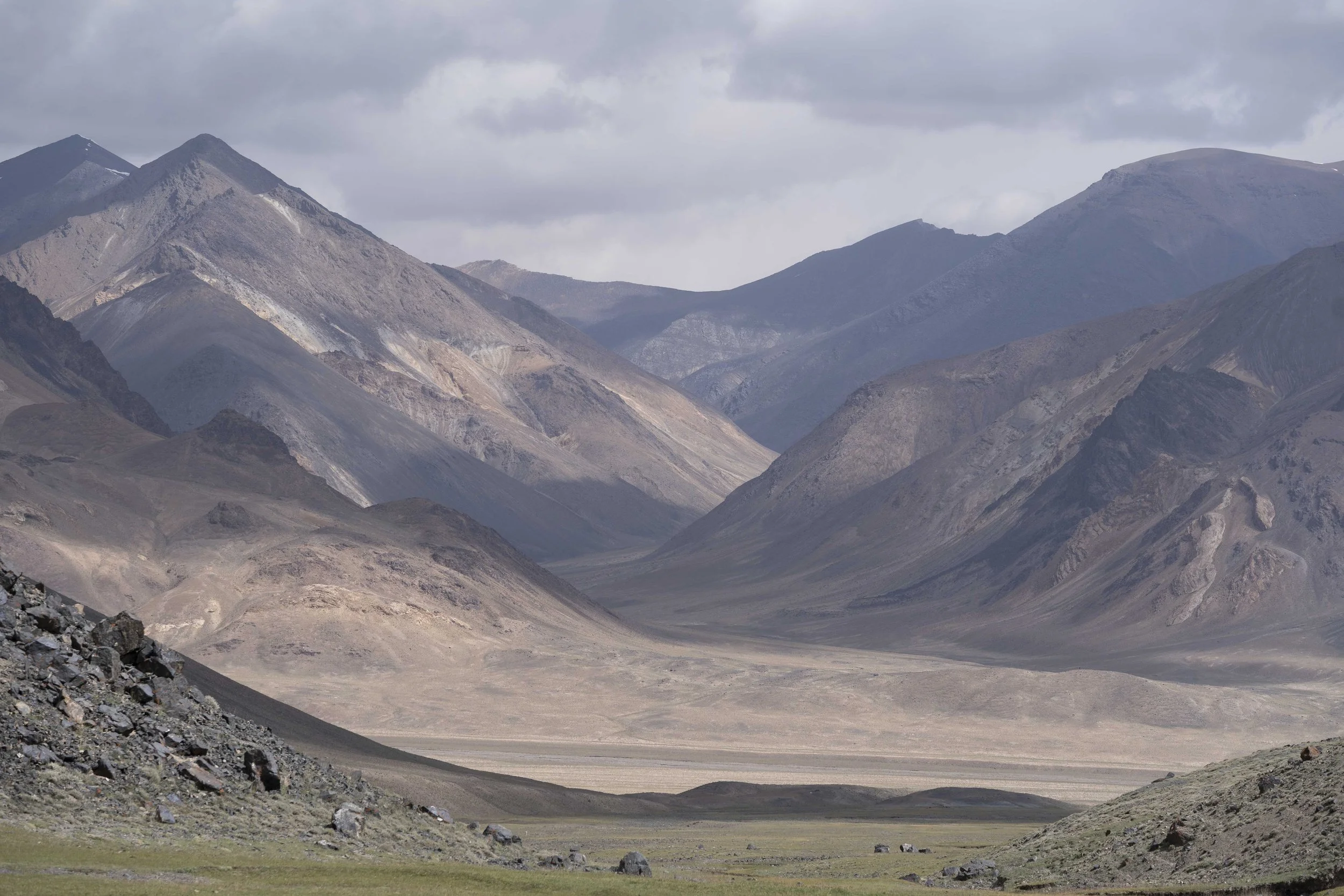
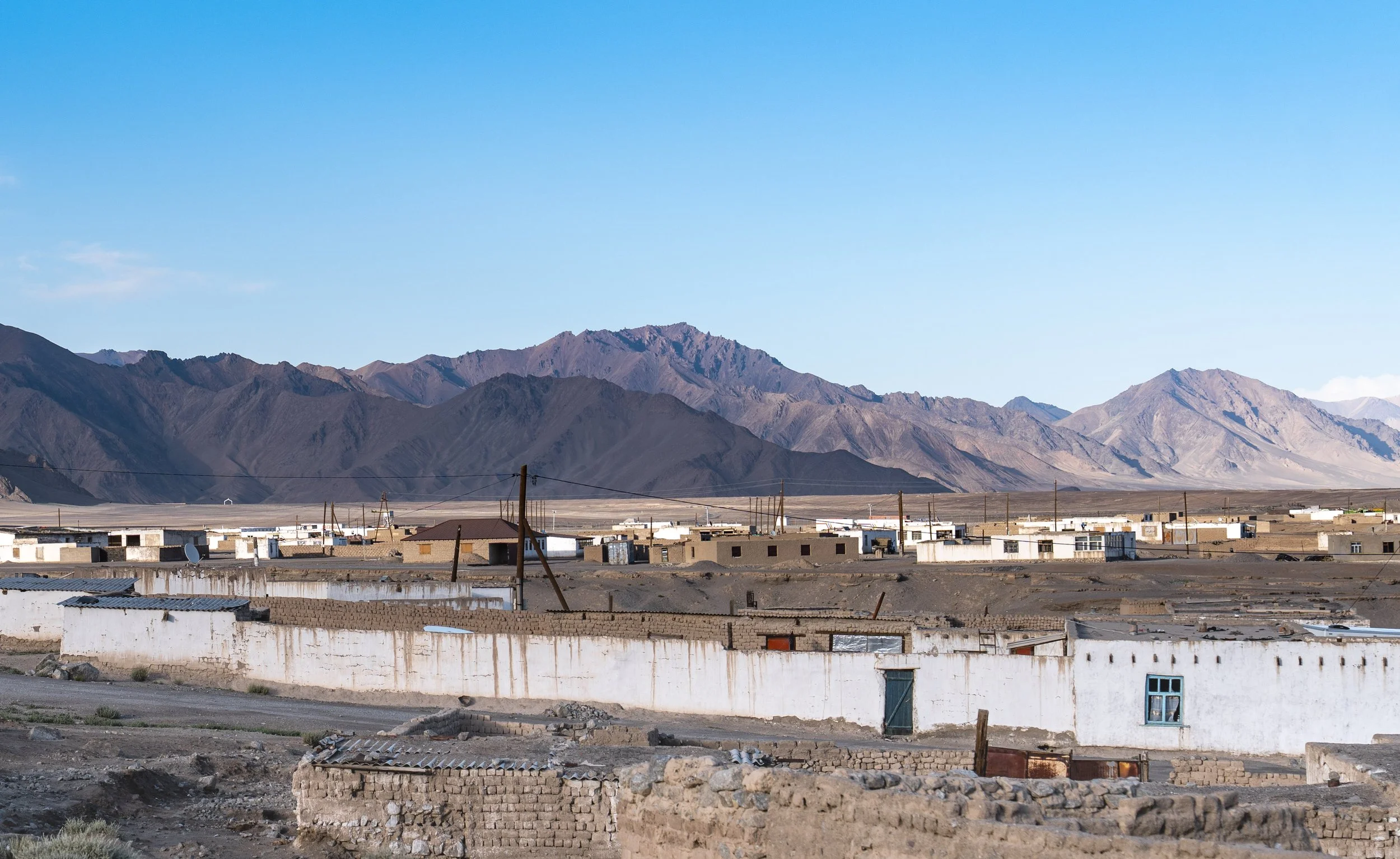
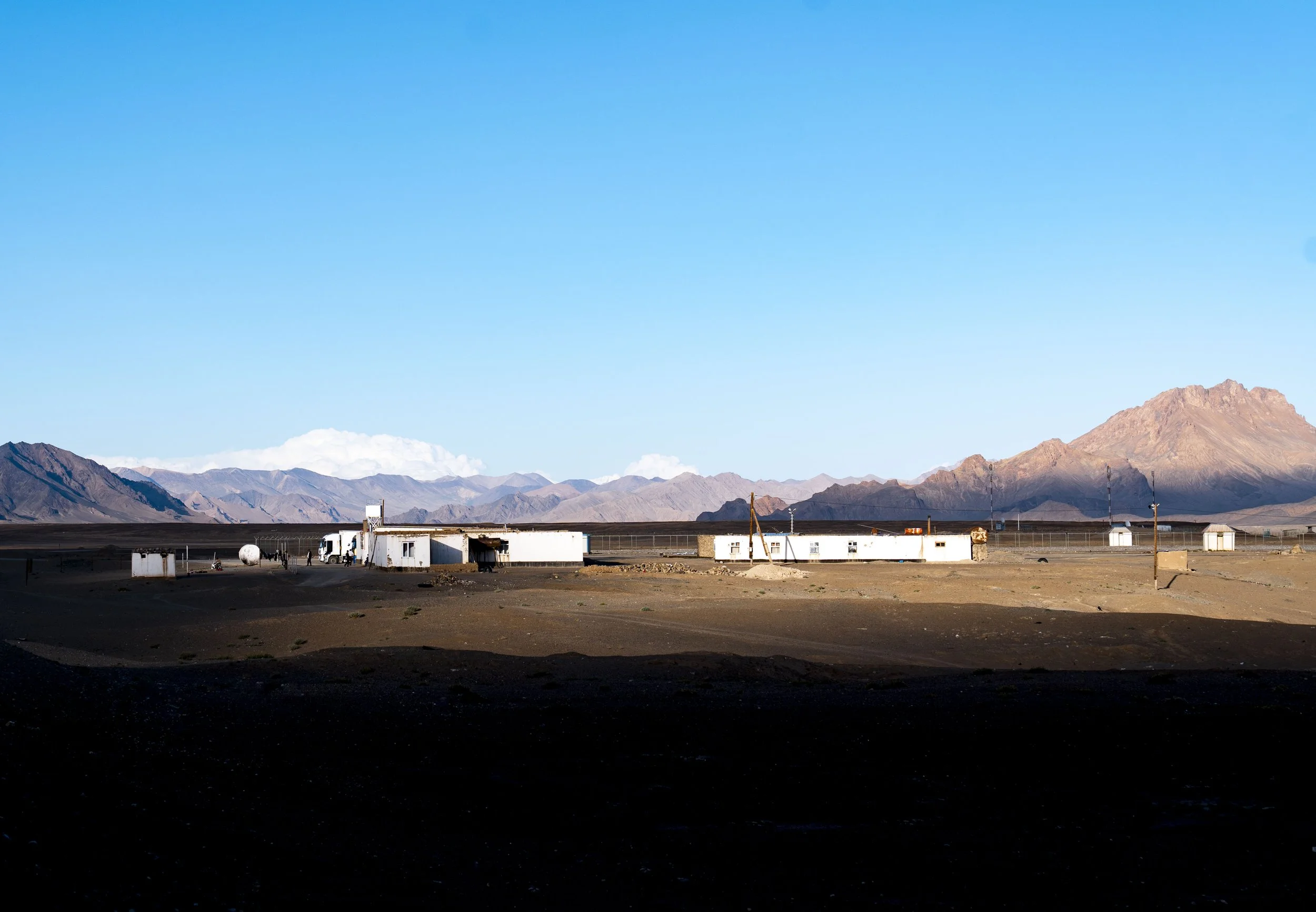
Murghab is located in eastern Tajikistan, on the high Pamir plateau, in the autonomous region of Gorno-Badakhshan. At over 3,600 meters above sea level, the town appears as a fixed point amid a vast, mineral landscape, crossed by a single road that connects the country to Kyrgyzstan and China. This road dictates everything: movement, the economy, supplies, even the survival of the town.
From Dushanbe, the capital of Tajikistan, two routes lead to Murghab. The first goes through the northern part of the country, follows the border, crosses the Karakul Lake region, and then descends toward the town in the direction of Osh in Kyrgyzstan. The second passes through the south, via Khorog. This is the route I took. It takes six to seven hours to travel from Dushanbe to Khorog, and a similar amount of time to reach Murghab. The second part of the journey passes through an increasingly sparse landscape. The road stretches between dust, rock, and mountains. Villages are rare. The Pamir truly begins here.
Murghab is the last structured town before the eastern Pamir. There is still a bank, a hospital, and a few essential services. A former Soviet town, it retains visible traces of that era in its urban layout and some monuments. The town is settled at the bottom of a wide valley crossed by a river. Down below, the vegetation is dense and green, while higher up, the landscape becomes dry and mineral. A single road passes through Murghab before branching south toward the Pamir and China or north toward Kyrgyzstan.
I stayed in Murghab for fifteen to twenty days during the summer. I set up my base at a friend’s house, a local guide. At this season, daytime temperatures can reach 35 to 40 degrees Celsius, while nights remain cool. In winter, temperatures regularly drop between minus 20 and minus 40 degrees. The climate sets the rhythm, and the town adapts, never truly stopping.
Murghab is a crossroads. A large portion of the population is of Kyrgyz origin, alongside Tajik communities. This mix is evident in the language, practices, and ways of life. Daily life is harsh. Altitude and cold strongly limit agriculture. Some crops exist, such as potatoes, but they are fragile. The diet relies mainly on livestock. Yaks provide milk, butter, cheese, and meat. Imported goods arrive by road, but their cost is high due to isolation.
The town’s geographic position explains its existence. To the east, the Kulma Pass is the only officially open crossing between Tajikistan and China, toward Kashgar. A significant portion of the population works in transport. Locals convoy vehicles and goods from the Chinese border to Dushanbe. These trips take several days, and once deliveries are made, they return to Murghab by their own means. This cycle continues year-round, summer and winter alike.
From Murghab, I traveled in different directions. South into the Pamir, to Shaymak, one of the last villages before the Afghan border. Into the surrounding valleys, where some families settle in yurts during the summer for the highland pastures. Murghab enables this movement. It serves as an anchor, a place to return to, a pause before setting out again.
While there, I took the time to observe, to listen, and to watch life unfold without apparent urgency. During school holidays, children are everywhere. Interactions are simple, direct, often curious. At the entrance of the town, a statue of Lenin recalls the region’s Soviet past. It stands there, unstyled, like a frozen relic of another era.
Murghab is not a spectacular town. It is essential. It exists because it connects, because it allows passage, because it endures despite the climate, the distance, and the altitude. In the Pamir, it embodies a fragile permanence at the heart of a space where every journey is earned and life is built through endurance.